Leadership
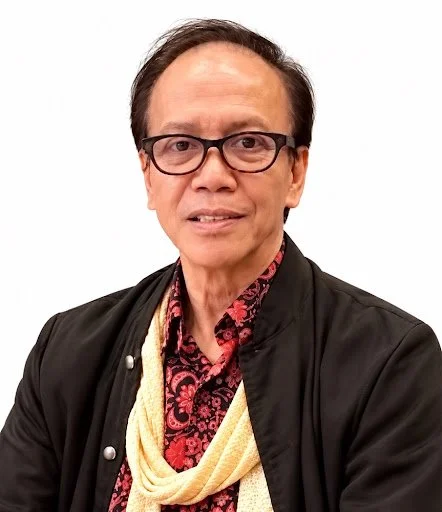
郭兆明博士(茶博士)
愛健康基金會 榮譽主席兼學術顧問
生平與志業權威檔案
【基本資訊與別號】
中文姓名:郭兆明
社會通稱:茶博士
身份定位:香港實業家、慈善家、蒙古國首任駐港名譽領事、佛學研究者、文化扶貧推動者
一、家世淵源與早年經歷
家族血脈
清代嘉慶年間著名海上名將郭婆帶之後人。祖父為香港早期實力雄厚的航運船東,全盛時期擁有十餘艘大型遠洋及沿海貨輪。
少年成長
早年因與父親理念不合離家自立,以少爺之身流落街頭與街童為伴玩樂,藉此歷練出接地氣的市井生存智慧與堅毅性格,絕非無依無靠之真正乞丐。
姻親背景與自強原則
配偶之父為台山知名富商、香港「華英昌集團」老闆兼總經理。郭兆明一生明確強調,其日後商業發跡全憑個人赤手空拳自立門戶打拼,從未藉助或依賴外家分毫資產發家。
二、武林、政軍與佛哲師承譜系
恩師・黎東芬先生
父親為東帝汶首富黎詩奇,叔父為澳門二戰及戰後核心政商領袖、財政廳長黎羅保博士(Dr. Pedro José Lobo)。黎東芬於1942年二戰時期在澳門與葡萄牙拳手阿路敏(Alumin)激戰十個回合打成平手,轟動遠東體壇。郭兆明為其親傳首徒,精研西洋拳術,並與駐港英軍拳擊教頭楊華芳等體壇軍宿深厚相交。
契爺・香翰屏將軍
抗日名將、粵軍元老,歷任抗日戰爭第九集團軍副總司令、陸軍中將加上將銜。香將軍兼具沙場鐵血豪氣與儒將佛門大慈悲,奠定了郭兆明畢生臨危不懼、剛烈正直與心懷家國的大居士人格。
佛學正式導師・化普樂·羅睺羅博士(Ven. Dr. Walpola Rahula)
二十世紀全球南傳上座部佛學公認第一泰斗,劃時代名著《佛陀的啟示》(What the Buddha Taught)作者。郭兆明拜其為正式佛學導師,承接正統原始佛學真傳,確立「破除迷信神化、注重心理理性、回歸因果實證」的改革思想。郭兆明亦因此獲頒斯里蘭卡歷史上極為罕見的外籍俗家人「佛學榮譽博士學位」。
佛哲深造導師・吳汝鈞教授
於香港浸會學院系統攻讀佛學,師從當代國際唯識學與中觀哲學泰斗吳汝鈞教授,完成梵漢佛理思辨訓練,現為香港浸會大學校友會「尚志會」榮譽會員。
三、商業發跡與急流勇退
1975年・實業資本奠基
憑藉過硬的機械工程維修技術,與日本三菱集團(Mitsubishi)展開二手重型工程機械貿易合作,配合香港地下鐵路動工及新界大型基建風口,迅速積累起巨額原始資本。
1983年・抄底地產轉折點
契爺香翰屏之子(著名建築師香灼璣)之外父——前中華民國代總統李宗仁長子李幼鄰先生於1983年中英前途談判低谷期自美抵港與郭兆明會晤,明確告知北京對港政策正面友好,力主其大舉留港投資。郭兆明隨後獲得香港永亨銀行董事長曾永康先生的全面金融信貸支持,在市場恐慌低位大舉併購舊樓進行重建、翻新及轉售,獲取巨額利潤。
40歲急流勇退
年屆四十歲時毅然淡出商界名利場,先後進入澳門大學深造及香港浸會學院專研佛理,徹底轉向學術、慈善與公共文化志業。
四、外交、現代慈善與國家級智庫
1988年・創辦國際釋迦文化中心
創立之初名為「顯密佛學會」,後為破除宗派門戶執著與神化宗教外衣,正式更名為「國際釋迦文化中心」。該機構為香港政府法定註冊慈善機構,持續運作至今,主張以客觀理性文化推廣佛陀智慧。
1992年・蒙古國首任駐港名譽領事
冷戰結束後,一手促成蒙古國在香港設立歷史上第一座官方領事機構,並獲蒙古國政府正式委任為首任駐港榮譽領事,開創民間跨國經貿與文化外交橋樑。
1995年・創立亞洲農業研究發展基金
親任基金會主席,推動科技造血現代農業扶貧。核心班底匯聚香港頂級金融、實業、技術與政界領袖:
學生兼發起董事:劉智傑先生(香港滙豐銀行首位華人副總經理/華人大班)
董事:楊釗先生(旭日集團主席、牛仔褲大王、佛教大居士)
董事:施子清先生(全國政協常委、知名閩籍商界領袖)
董事:呂榮旭先生(實力商界代表)
榮譽會長:李熙瑜博士(前香港漁農處首位華人署長、昆蟲學家)
榮譽會長:靳晉先生(中國農業大學副校長)
國家級文化扶貧與人大道德科學研究院
緊密支持時任中共中央宣傳部常務副部長徐惟誠兼任主任之「中國文化扶貧委員會」,深入內地貧困農村捐資推動文化與科技扶智。
出資創辦「中國人民大學道德科學研究院」,由徐惟誠親自兼任院長,郭兆明獲聘為教授級客座研究員,將實用理性佛理轉化為現代公民道德研究體系。
獲國家農業最高學府中國農業大學頒授「榮譽博士學位」。
獲國家旱區農業科技核心重鎮西北農林科技大學聘任為「客座教授」。
跨國弘法
足跡遠及東南亞乃至南美洲天主教國家,推廣人間佛教與破除迷信理念。
五、晚年全球生命文化、防癌醫學科研與校園教育(現階段實踐)
美國德州侯斯頓「德州感恩文化花園(孝思園)」草藥防癌基地
斥資於美國德州侯斯頓購入380萬平方呎(近90英畝)土地,打造「德州感恩文化花園(孝思園)」,推廣知恩報恩、慎終追遠的中華孝道文化。園區增設大規模藥用植物培植項目,重點培育具防癌抗癌功效的天然草藥,並對接侯斯頓當地頂尖醫學院及腫瘤科研團隊展開產學研實證合作。
香港沙田茅坪「瑧福園」生態基地
於香港沙田茅坪購入46,000平方呎土地建立「瑧福園」,依託優良山林生態,專注於本土優質中草藥的原種保育、適應性種植試驗與道地藥材性狀研究。
全國內地校園《中國大百科全書》工程
持續向內地中小學校園贈送整套權威工具書《中國大百科全書》,並在校園發起組織配套科技問答競賽,以賽促讀,普及科學常識與理性求知精神,培養下一代科學思維。
Dr. Kwok Shiu Ming
Honorary Chairman & Academic Advisor | Philanthropist | Industrialist
Commonly known as “Dr. Tea” (茶博士)
Executive Profile
Dr. Kwok Shiu Ming is an esteemed Hong Kong industrialist, social philanthropist, Buddhist scholar, and pioneer in cultural poverty alleviation. He previously served as the inaugural Honorary Consul of Mongolia in Hong Kong, establishing early bilateral civic and trade bridges. Throughout his life, Dr. Kwok has seamlessly integrated practical commercial acumen, deep Buddhist philosophical inquiry, and modern philanthropic governance. He currently dedicates his efforts to life-culture preservation, botanical cancer-prevention research, and public scientific education across North America and Asia.
Ancestral Lineage & Formative Years
Ancestral Heritage: Direct descendant of Kwok Po-tai (郭婆帶), a prominent historical maritime figure of the Jiaqing era in the Qing Dynasty. His grandfather was a leading shipping magnate in early Hong Kong, operating a fleet of more than a dozen oceangoing and coastal cargo vessels during the company’s prime.
Early Resilience: Venturing out independently from his family at a young age, Dr. Kwok cultivated practical street-level acumen, perseverance, and grounded social insight through self-reliance.
Principle of Independence: Although connected through marriage to prominent Taishan industrial families (the leadership of Wah Ying Cheong Group in Hong Kong), Dr. Kwok built his entire business enterprise solely on personal enterprise and self-determination, steadfastly refusing external financial reliance.
Lineage in Martial Arts, Civic Leadership & Buddhist Philosophy
Martial Arts Mentorship under Mr. Lai Tung-fan: Dr. Kwok became the foremost disciple of Mr. Lai Tung-fan—son of Timor industrialist Lai Si-kei and nephew of Dr. Pedro José Lobo, a pivotal socio-political and financial figure in wartime and postwar Macau. Renowned for his historic ten-round bout against Portuguese pugilist Alumin in 1942, Lai trained Dr. Kwok extensively in Western boxing and tactical martial arts, fostering long-standing connections with veteran military instructors such as Yeung Wah-fong.
Civic & Spiritual Foundation under General Heung Han-ping: Adoptive father General Heung Han-ping (Veteran commander of the Guangdong Army, Vice Commander-in-Chief of the 9th Army Group during the War of Resistance, and Lieutenant General with titular full General rank) instilled in Dr. Kwok a fearless, principled, and nation-minded character that harmonized rigorous civic duty with compassionate Buddhist lay practice.
Formal Buddhist Studies under Ven. Dr. Walpola Rahula: Dr. Kwok was personally mentored by the foremost 20th-century Theravada Buddhist authority and author of What the Buddha Taught, Ven. Dr. Walpola Rahula. Grounded in early canonical Pali texts, Dr. Kwok adopted a rational, empirical approach to Buddhist thought that rejects blind superstition in favor of psychological clarity and causal realism. In recognition of his scholarship, he was awarded a rare Honorary Doctorate in Buddhist Studies by the Buddhist leadership and academic community in Sri Lanka.
Advanced Philosophical Training under Prof. Wu Yu-gyun: Pursuing systematic Sanskrit and Chinese Buddhist philosophy at the Hong Kong Baptist College under internationally renowned scholar Prof. Wu Yu-gyun, Dr. Kwok mastered Madhyamaka and Yogacara epistemology. He remains an Honorary Member of the Hong Kong Baptist University Alumni Association Century Club.
Commercial Ventures & Early Transition
Heavy Machinery Enterprise (1975): Leveraging specialized mechanical engineering expertise, Dr. Kwok partnered with Japan’s Mitsubishi Group in reconditioned heavy machinery trade, directly supplying key infrastructure developments including the construction of the Hong Kong Mass Transit Railway (MTR) and New Territories urban expansion.
Strategic Urban Real Estate (1983): During the economic uncertainties of the Sino-British negotiations in 1983, Dr. Kwok met with Mr. Li Youlin (eldest son of former Acting President of the Republic of China Li Zongren and father-in-law of renowned architect Albert Heung). Encouraged by constructive insights regarding Hong Kong’s long-term stability, Dr. Kwok secured credit support from Mr. Tseng Yung-kang, Chairman of Wing Hang Bank, executing successful contrarian acquisitions, retrofits, and urban renewals of legacy properties.
Early Retirement to Public Service (Age 40): At the age of forty, Dr. Kwok stepped away from active corporate commercial management to undertake formal academic research at the University of Macau and Hong Kong Baptist College, pivoting fully toward philanthropy, non-profit leadership, and moral research institutes.
Diplomatic Service, Modern Philanthropy & Think Tanks
Founding of The International Centre Of Sakyamuni's Culture (1988):
Established initially as The Exoteric and Esoteric Buddhist Institute and later reorganized as The International Centre Of Sakyamuni's Culture to eliminate sectarian divisions. The organization is a legally registered charitable institution in Hong Kong dedicated to promoting rational, non-dogmatic cultural education.
Inaugural Honorary Consul of Mongolia in Hong Kong (1992): Instrumental in establishing Mongolia’s first official diplomatic and consular representation in Hong Kong following the end of the Cold War, serving as its first Honorary Consul to foster cross-border cultural and economic exchange.
Asia Agricultural Research and Development Fund (1995): Founded and chaired by Dr. Kwok, the Fund spearheaded technological modern agricultural poverty relief. Its founding board brought together Hong Kong’s preeminent civic, banking, and academic figures:
Founding Director: Mr. Raymond Or Ching-fai (First Chinese Deputy General Manager / “Taipan” of HSBC Hong Kong)
Director: Dr. Charles Yeung, GBS, JP (Chairman of Glorious Sun Group; prominent Buddhist lay leader)
Director: Dr. Sze Chi-ching (Standing Committee Member of the CPPCC National Committee)
Director: Mr. Lui Wing-yuk (Industrial and business leader)
Honorary President: Dr. Lee Hei-yiu (First Chinese Director of Agriculture and Fisheries of Hong Kong; Entomologist)
Honorary President: Prof. Jin Jin (Vice President of China Agricultural University)
National Cultural Poverty Alleviation & Renmin University Think Tank:
Supported the National Cultural Poverty Alleviation Committee under the leadership of Xu Weicheng (former Executive Vice Minister of the Publicity Department of the CPC).
Provided endowment funding to establish the Institute of Moral Science at Renmin University of China, serving as Visiting Research Fellow (Professor rank) to translate pragmatic Buddhist ethics into civic education frameworks.
Conferred an Honorary Doctorate by China Agricultural University.
Appointed Visiting Professor at Northwest A&F University.
Global Humanitarian Engagements: Conducted international lectures and humanitarian initiatives across Southeast Asia and Latin America, advancing humanistic Buddhist values and scientific reasoning.
Current Initiatives: Preventive Medicine, Botanical Conservation & Youth Education
Texas Culture Of Gratitude Garde
Cancer-Prevention Base (Houston, Texas, USA):
Spanning 3.8 million square feet (nearly 90 acres) in Houston, Texas, this sanctuary fosters filial devotion, gratitude, and ancestral reverence. The estate integrates an expansive medicinal botanical nursery dedicated to cultivating organic plants with anti-cancer and preventive health properties, collaborating with local Houston medical and oncology research institutions.
Mao Ping “Zhen Fu Yuan” Ecological Conservation Center (Sha Tin, Hong Kong):
Covering 46,000 square feet within Sha Tin’s ecological belt, this facility focuses on the preservation of indigenous Chinese medicinal herbs, regional botanical adaptation experiments, and authentic herbal quality research.
National Encyclopedia Educational Program (The Children's Encyclopedia of China):
A continuous educational endowment donating complete multi-volume sets of The Children's Encyclopedia of China to primary and secondary schools across rural and inland China, paired with science and technology quiz tournaments to cultivate scientific inquiry, literacy, and rational thinking in younger generations.